


Bakery Trolley Buying Guide: Industrial Procurement Essentials for B2B Buyers
Product Introduction: What Is a Bakery Trolley and Why It Matters in Industrial Baking
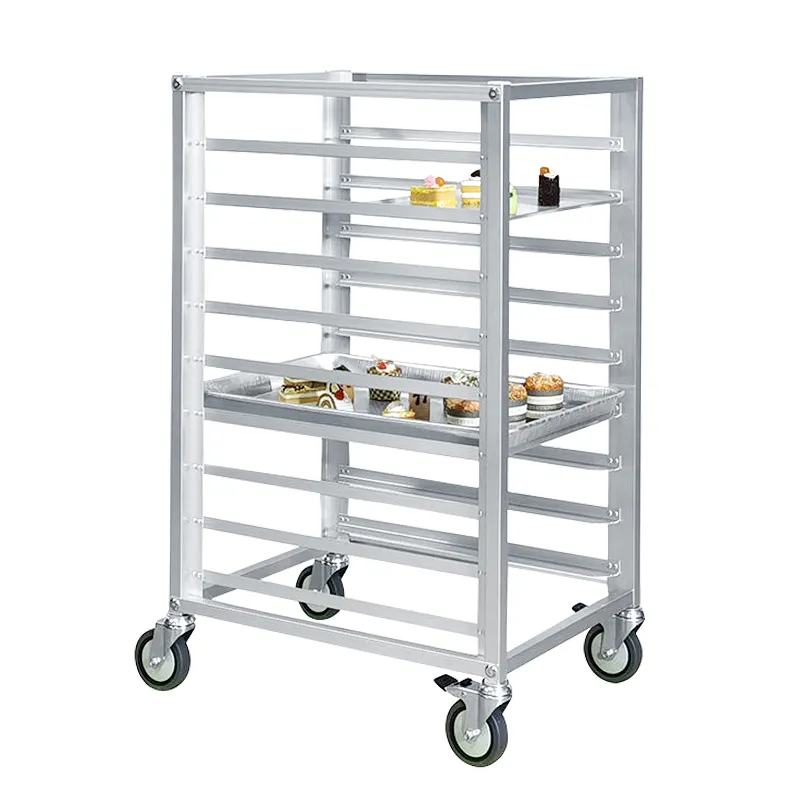
A bakery trolley, also known as a bakery rack or pan trolley, is a wheeled frame designed to hold multiple baking trays or pans, facilitating the efficient transport, storage, and cooling of baked goods. In industrial baking environments, these trolleys are indispensable for streamlining production workflows, reducing manual handling, and ensuring product consistency. Unlike consumer-grade racks, industrial bakery trolleys are engineered to withstand heavy loads, high temperatures, and frequent movement, making them a critical investment for commercial bakeries, food processing plants, and central kitchens. When considering a bakery trolley buying guide, it's essential to evaluate factors such as load capacity, material compatibility, and hygiene standards to match your specific production needs.
Product Features: Structural Design, Material Advantages, and Performance Characteristics
Industrial bakery trolleys are built with robust materials and thoughtful design to meet the demands of continuous operation. Key features include:
- Reinforced frame structure: Typically made from stainless steel or aluminum, the frame is welded or bolted for stability. Reinforced corners and cross braces improve load stability during repeated transportation and industrial handling.
- High-load casters: Heavy-duty wheels with swivel and brake options ensure smooth movement over uneven floors and safe parking. Casters are often made of heat-resistant materials like phenolic or polyurethane.
- Adjustable tray guides: Slotted or clip-on guides accommodate various tray sizes and allow custom spacing to optimize airflow for cooling or drying.
- Corrosion resistance: Stainless steel construction (304 or 316) provides excellent resistance to moisture, detergents, and food acids, extending service life in humid bakery environments.
- Hygienic design: Smooth surfaces, crevice-free joints, and open structures prevent debris accumulation, meeting HACCP and FDA requirements for food contact surfaces.
These features collectively enhance operational efficiency, reduce downtime, and protect product quality.
Application Scenarios: Where Bakery Trolleys Drive Value Across Industries
Bakery trolleys are not limited to traditional bakeries; their versatility makes them essential across multiple sectors:
- Food processing: Used for moving ingredients, finished products, or work-in-progress between processing stages. Stainless steel trolleys resist corrosion from food acids and cleaning agents.
- Bakery: Core application for proofing, baking, cooling, and transporting bread, pastries, and cakes. Trolleys with heat-resistant casters can go directly into ovens or proofers.
- Industrial manufacturing: Employed to transport components, tools, or assemblies in production lines. Aluminum trolleys offer lightweight mobility.
- Cleaning: Used to hold and transport parts during washing or sanitizing processes. Open designs allow drainage and airflow.
- Drying: In food dehydration or paint curing, trolleys with mesh trays facilitate uniform air circulation.
- Storage: Space-saving vertical storage for trays, pans, or small parts in warehouses.
- Transportation: Efficient movement of goods within facilities, reducing manual lifting and injury risks.
Each scenario demands specific trolley configurations; understanding your application is key to selecting the right model.
Material Selection: 304 vs. 316 vs. 201 Stainless Steel and Aluminum
The material of your bakery trolley directly impacts durability, hygiene, and cost. Here's a breakdown:
- 304 stainless steel: The industry standard for food-grade applications. Offers excellent corrosion resistance, easy cleaning, and withstands moderate temperatures. Ideal for most bakery and food processing environments.
- 316 stainless steel: Superior corrosion resistance, especially against chlorides and acids. Recommended for harsh environments, such as seafood processing or facilities using aggressive sanitizers. Higher cost but longer lifespan.
- 201 stainless steel: A cost-effective alternative with lower nickel content. Offers moderate corrosion resistance but may rust in humid or acidic conditions. Suitable for dry storage or light-duty applications.
- Aluminum: Lightweight, rust-resistant, and good for mobility. However, it's softer and may dent under heavy loads. Often used for trolleys that need frequent repositioning but not extreme load-bearing.
Choose based on your operating environment, cleaning protocols, and load requirements. For high-humidity bakeries, 304 is a safe bet; for chemical exposure, invest in 316.
Specification Parameters: What to Look for in a Bakery Trolley
When specifying a bakery trolley, consider these technical details:
- Dimensions: Overall length, width, and height must fit your oven, proofing cabinet, and aisle spaces. Standard sizes range from 26"x18" to 36"x24" tray footprints.
- Thickness: Material gauge (e.g., 14-gauge, 16-gauge) affects strength. Thicker steel (lower gauge) handles heavier loads but adds weight.
- Capacity: Number of trays (e.g., 10, 15, 20) and maximum load per tray (e.g., 50 lbs). Ensure total load capacity meets your needs.
- Number of layers: Determines tray count. Adjustable layers offer flexibility.
- Load capacity: Static and dynamic load ratings. Dynamic capacity considers movement over uneven surfaces.
- Hole diameter and mesh size: For mesh trolleys, aperture size affects airflow and small item retention. Common mesh: 1/2" to 1" openings.
- Tray compatibility: Guides should match your existing tray sizes (e.g., 18"x26" sheet pans).
- Surface finish: Polished, brushed, or coated. Polished surfaces are easier to clean; coatings can add scratch resistance.
- Caster type: Wheel diameter, material, and braking options. Larger wheels roll better over gaps.
Provide these specs to suppliers to get accurate quotes and ensure compatibility with your equipment.
Customization Services: OEM/ODM Capabilities for Tailored Solutions
Many manufacturers offer OEM and ODM services to meet specific requirements. Customization options include:
- Custom size: Non-standard dimensions to fit unique oven or cooler dimensions.
- Custom design: Modifications to frame, tray guides, or casters for specialized workflows.
- Logo: Branding on trolleys for corporate identity.
- Packing: Customized packaging for safe shipping or retail display.
- Special requirements: E.g., extra reinforcement, specific finishes, or integrated features like handles or hooks.
When evaluating a supplier's customization capability, ask for engineering support, prototyping lead times, and minimum order quantities. A factory with in-house design and production can better control quality and cost.
Procurement Guide: Key Questions for B2B Buyers
Before purchasing, address these critical questions:
- How to choose the right size? Measure your oven, proofer, and transport paths. Consider future expansion. Standard sizes are cost-effective, but custom sizes optimize space.
- How to select the material? Assess your environment: humidity, temperature, chemicals. 304 stainless is versatile; 316 for harsh conditions; aluminum for light-duty mobility.
- How to confirm specifications? Request detailed drawings, material certificates, and load test reports. Verify tray compatibility with samples if possible.
- How to judge supplier capability? Check certifications (ISO, CE), factory audits, production capacity, and past projects. Request references from similar industries. A reliable manufacturer will provide transparent communication and after-sales support.
For custom requirements, please contact our team to discuss your project. We offer engineering assistance and rapid prototyping.
Frequently Asked Questions (FAQ)
Q1: What is the typical load capacity of a bakery trolley?
A1: Standard models handle 200-500 lbs total, but heavy-duty versions can support up to 1000 lbs. Always check dynamic load ratings for移动 applications.
Q2: Can bakery trolleys be used in freezers or ovens?
A2: Yes, if specified with appropriate materials and casters. For ovens, ensure all components are heat-resistant (e.g., stainless steel frames, high-temp casters). For freezers, use materials that resist embrittlement at low temperatures.
Q3: How do I clean and maintain a stainless steel trolley?
A3: Regular cleaning with mild detergent and water is sufficient. Avoid abrasive cleaners that can scratch surfaces. For 316 stainless, periodic passivation is recommended in corrosive environments.
Q4: What is the difference between 304 and 316 stainless steel for bakery trolleys?
A4: 316 contains molybdenum, providing better resistance to chlorides and acids. It's ideal for seafood processing or facilities using chlorine-based sanitizers. 304 is adequate for most bakeries.
Q5: Can I customize the number of trays and spacing?
A5: Absolutely. Most manufacturers offer adjustable guides or custom welding to match your tray count and pitch requirements.
Q6: What caster options are best for uneven floors?
A6: Larger diameter casters (5-8 inches) with pneumatic or polyurethane wheels roll better over gaps and debris. Swivel casters with brakes enhance maneuverability and safety.
Q7: How do I ensure the trolley meets food safety standards?
A7: Look for FDA-compliant materials, smooth non-porous surfaces, and easy-to-clean designs. Suppliers should provide certifications or test reports.
Q8: What is the lead time for custom bakery trolleys?
A8: Typically 4-8 weeks depending on complexity and order volume. Prototyping may add 1-2 weeks. Confirm with your supplier.
Image ALT Text Suggestions
For product images, use descriptive ALT text like: "Stainless steel bakery trolley with 20 trays and swivel casters" or "Custom aluminum bakery rack for food processing."
SEO Meta Information
SEO Title: Bakery Trolley Buying Guide for B2B Industrial Buyers
Meta Description: Essential procurement guide for bakery trolleys. Compare materials, specs, customization, and supplier selection for industrial baking operations.
SEO Keywords: bakery trolley, industrial bakery rack, stainless steel trolley, bakery equipment, B2B bakery trolley, custom bakery trolley, bakery trolley manufacturer, bakery trolley supplier, food processing trolley, bakery pan rack.

