





How to Clean Commercial Stainless Steel Baking Trays: A Complete Maintenance Guide
Daily Cleaning Routine: The Foundation of Stainless Steel Tray Cleaning
After each use, immediately remove food debris and grease while the tray is still warm (but not hot) to prevent buildup. Use a soft sponge or nylon brush with warm water and a mild dish soap specifically formulated for stainless steel. Avoid abrasive pads or steel wool, as they can scratch the surface, leading to bacterial harboring and corrosion. For light residue, a simple solution of warm water and baking soda works well. Rinse thoroughly with clean water to remove all soap, as leftover detergent can affect future food batches. Daily wiping with a soft cloth helps maintain the glossy finish and simplifies deeper cleaning sessions.
Handling Baked-On Grease and Carbonized Food
For stubborn, baked-on grease or carbonized food, avoid aggressive scraping that can damage the metal. Instead, fill the tray with hot water and add a few drops of dish soap or a specialized stainless steel cleaner. Let it soak for 15-30 minutes to soften the residue. Then, use a plastic scraper or a non-abrasive pad to gently lift the debris. For persistent burnt spots, create a paste of baking soda and water or use a commercial oven cleaner designed for stainless steel, following manufacturer instructions. Always test any new cleaner on a small, inconspicuous area first.
Avoiding Scratches and Surface Damage
Stainless steel trays can easily show scratches, which not only look unappealing but also provide crevices for bacteria. Always use soft cloths, non-abrasive sponges, or plastic brushes. Never use metal scrapers, steel wool, or harsh scouring powders. When stacking trays, place a soft liner or paper towel between them to prevent scratching. Additionally, avoid cutting food directly on the tray; use a separate cutting board.
Choosing the Right Cleaning Agents
Select cleaning agents specifically designed for stainless steel. Alkaline-based degreasers work well on grease, while acidity (like vinegar or citric acid) can tackle mineral deposits. However, do not mix cleaners, and never use bleach or chlorine-based products, as they can cause pitting and corrosion. For everyday cleaning, mild dish soap is sufficient. For periodic deep cleaning, use a stainless steel polish or a solution of water and white vinegar. Always rinse thoroughly after using any chemical cleaner.
Cleaning Perforated and Rolled Edge Trays
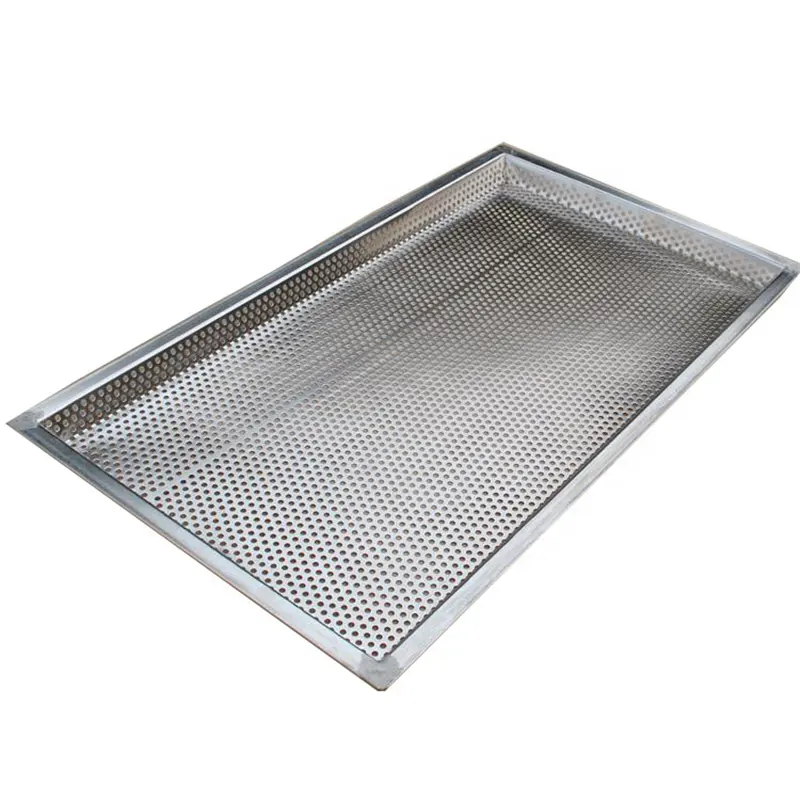
Perforated trays and those with rolled edges require extra attention because food particles and grease can hide in holes and crevices. Use a bottle brush or a pipe cleaner to gently scrub the perforations. For rolled edges, use a small brush or a toothbrush to dislodge debris. Soaking the tray in warm, soapy water for an extended period can help loosen trapped residue. If necessary, use a high-pressure water stream (like from a sink sprayer) to flush out particles. Ensure the holes are completely clear before drying.
Rinsing and Drying
After washing, rinse the tray thoroughly with hot water to remove all cleaning residue. Improper rinsing can leave a film that affects food quality. After rinsing, dry the trays immediately with a soft, lint-free cloth to prevent water spots and potential corrosion. Air-drying is also acceptable, but ensure trays are stacked or placed in a way that allows full airflow. Never store wet trays, as prolonged moisture can lead to rust or bacterial growth.
Proper Storage
Store clean, dry trays in a cool, dry place. Avoid stacking them directly without any protective layer; use paper towels or felt liners. If storing in a cabinet, keep them away from acidic foods or chemicals. For vertical storage, use a rack that doesn't scratch the trays. Regularly inspect trays for signs of corrosion, scratches, or damage and remove any that are compromised to prevent contamination.
Regular Inspection and Maintenance
Implement a routine inspection schedule for trays—at least monthly for heavy-use operations. Check for pitting, corrosion, rust spots, or deep scratches. If rust appears, it may be due to improper cleaning or using the wrong materials. Light rust can be removed with a stainless steel cleaner and a non-abrasive pad, but if damage is severe, replace the tray. Additionally, ensure that any repairs (like re-welding) are done by professionals to maintain food safety standards. Proper care extends the life of your trays and ensures they perform evenly.
Common Mistakes in Commercial Sheet Pan Care
1. Using steel wool: This causes micro-scratches that hold bacteria and lead to rust. Always use non-abrasive tools.
2. Ignoring burnt residue: Leaving baked-on food can make future cleaning harder and may affect flavor. Tackle it immediately.
3. Using chlorine bleach: Chloride can severely damage stainless steel. Use only recommended cleaners.
4. Not rinsing properly: Soap residue can bake onto trays and affect food. Always rinse thoroughly.
5. Stacking hot trays: This can cause warping, which leads to uneven baking. Let trays cool completely before stacking.
6. Neglecting perforations: Clogged holes reduce airflow and baking efficiency. Clean them diligently.
Frequently Asked Questions
Can I use baking soda to clean stainless steel trays?
Yes, baking soda is an excellent gentle abrasive. Make a paste with water and apply it to stubborn spots, then rinse well. It's safe and effective for removing stains without scratching.
How often should I deep clean my baking trays?
For heavy-use commercial operations, perform a deep cleaning at least once a week. Daily cleaning should be routine, but deep cleaning ensures no hidden grease or carbon buildup affects performance.
What is the best way to remove sticky residue from labels or tape?
Use a small amount of vegetable oil or a commercial adhesive remover. Apply it to the residue, let it sit, then gently wipe off. Wash the tray with soapy water afterward.