





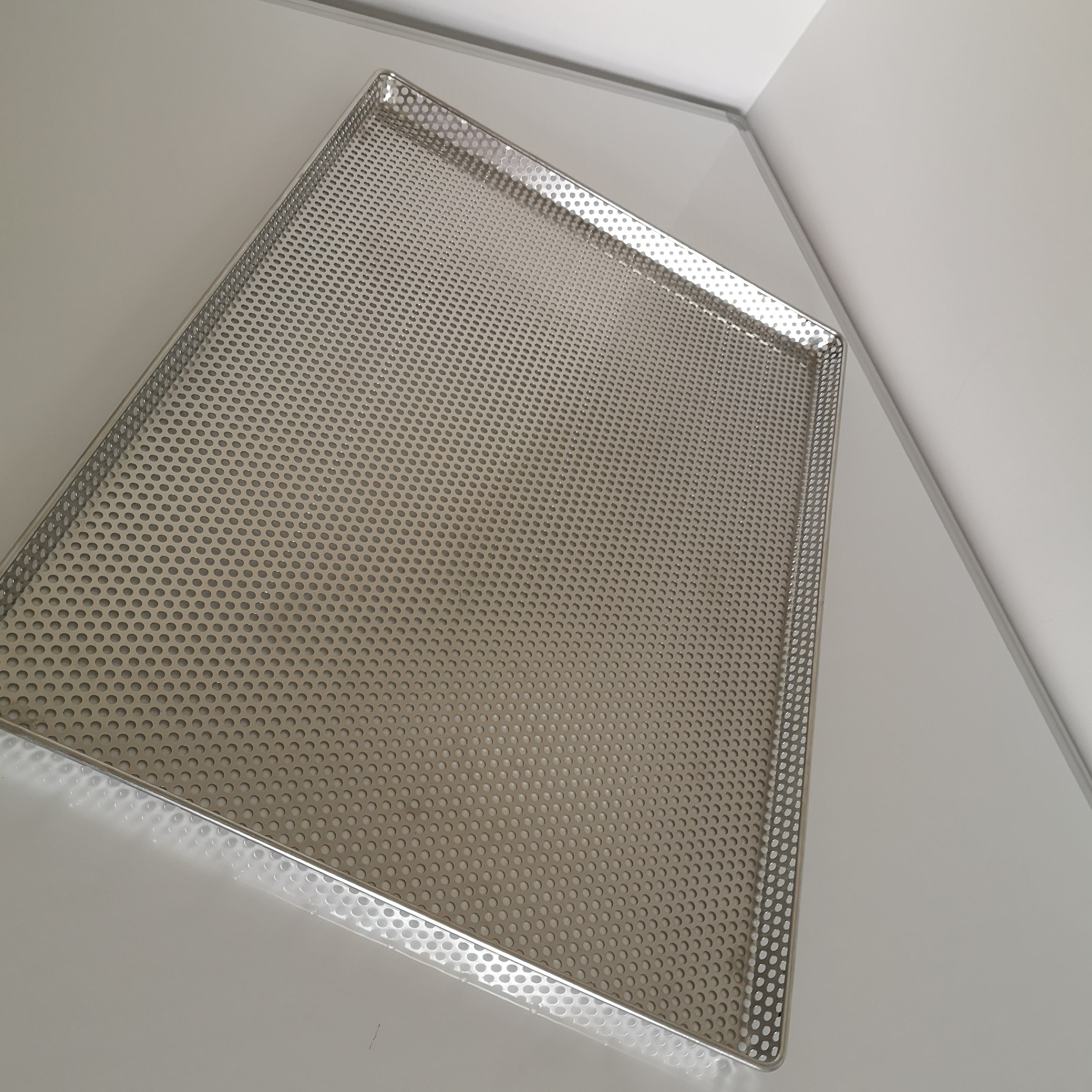
Large Stainless Steel Pan Tray: Key Specifications for Baking, Preparation, Cooling, Curing, Food Processing, and Material Handling
Introduction to Large Stainless Steel Pan Trays
When it comes to demanding food processing, baking, or industrial material handling, the large stainless steel pan tray is a versatile and indispensable tool. These robust trays are designed to withstand extreme temperatures, heavy loads, and rigorous sanitation protocols. Whether you need a pan tray large enough for commercial ovens or a large metal tray for curing meats, understanding the key specifications is crucial to making the right investment.
This guide will walk you through the critical parameters—from dimensions and depth to material thickness and reinforcement—so you can select the perfect stainless steel rectangle baking pan or industrial stainless steel tray for your specific application.
Key Specifications to Consider
Choosing the right large stainless steel pan tray requires a careful evaluation of several technical specifications. Here are the most important ones:
Dimensions (Length & Width): The size of the tray should match your oven, rack, or worktable. Common sizes include 400×300 mm, 600×400 mm, and 800×600 mm, but custom sizes are often available. For bakery and food processing lines, trays are designed to fit specific trolleys or conveyor systems.
Depth and Capacity: The depth of the tray determines its capacity. Shallow trays (20-40 mm) are ideal for sheet cakes, pastries, and drying. Medium depths (60-100 mm) suit roasting and baking. Deep trays (100 mm and above) work well for brining, storage, and heavy-duty material handling.
Material Thickness: The gauge of stainless steel affects durability and weight. Options typically range from 0.5 mm to 2.0 mm. Thinner sheets (0.5–0.7 mm) are lighter and cost-effective for light-duty tasks. Thicker sheets (1.2–2.0 mm) offer greater strength and are preferred for large trays or high-load applications.
Reinforcement Ribs: For larger trays, reinforcement ribs or corrugation prevent warping and increase load-bearing capacity. These ribs are pressed into the bottom of the tray, allowing it to handle heavier weights without bending.
Handles: Handles are essential for safe and easy lifting, especially when the tray is hot or heavy. Options include open-loop handles, closed grips, or ergonomic bar handles. Some trays feature folded edges for a simple grip.
Corner Radius: Rounded corners are critical for easy cleaning and hygiene. A radius of 10–20 mm is standard, but larger radii are available for improved drainage and sanitation.
Perforation (Drainage Holes): Perforated trays are perfect for draining, cooling, or baking items that require airflow. Hole sizes range from 1 mm to 10 mm, with patterns ranging from staggered to square. Open area percentage can be customized to suit your airflow or drainage needs.
Stacking Features: Lugs or stacking bars on the tray allow for stable stacking, saving space and preventing damage. This is crucial for storage and transportation.
Weight Load: The maximum load capacity depends on material thickness, size, and reinforcement. Always consult the manufacturer for tested load limits, as these vary. Never guess or assume a safe load without manufacturer guidance.
Material Options: Stainless Steel Grades and Aluminum
The material of your large metal tray influences its durability, corrosion resistance, and thermal performance.
Stainless Steel Grades: 201 stainless steel is economical but has lower corrosion resistance. 304 stainless steel is the industry standard for food processing and baking due to its excellent corrosion resistance and strength. 316 stainless steel offers even greater resistance to chlorides and acids, making it ideal for marine or harsh chemical environments.
Aluminum: Aluminum trays (e.g., 1060, 3003, 5052 alloys) are lighter, heat up faster, and are easier to handle. They are excellent for baking and cooling, but they are softer and may not be suitable for extremely heavy loads or harsh chemicals.
Application-Based Selection Table
Here's a quick guide to help you select the right tray for common applications:
| Application | Recommended Dimensions (mm) | Depth (mm) | Material Thickness (mm) | Features |
|---|---|---|---|---|
| Baking (cookies, pastries) | 600×400 | 20–40 | 0.8–1.0 | Rounded corners, possibly perforated for air circulation |
| Roasting | 800×600 | 40–60 | 1.0–1.2 | Reinforcement ribs for heavy loads |
| Cooling (rack cooling) | 600×400 | 20–30 | 0.7–1.0 | Perforated for maximum airflow |
| Curing (meat, cheese) | 1000×800 | 60–100 | 1.2–1.5 | Deep well, drainage holes, handles for easy transport |
| Food Preparation | 400×300 | 30–50 | 0.8–1.0 | Stacking lugs to conserve space |
| Material Handling | 800×600 or custom | 80–100 | 1.5–2.0 | Reinforcement ribs, heavy-duty handles, stacking bars |
Maintenance and Care Tips
Proper maintenance extends the life of your industrial stainless steel tray:
Cleaning: Wash with mild detergent and warm water. Avoid harsh abrasive pads that can scratch the surface. For stubborn residue, use a baking soda paste or a specialized stainless steel cleaner.
Sanitizing: Use a food-safe sanitizer if required. Always rinse thoroughly after cleaning to prevent chemical residue.
Drying: After washing, wipe dry to prevent water spots. If using a dishwasher, ensure the tray is suitable for dishwasher use.
Storage: Stack trays with protective separators or use the stacking lugs to prevent scratches. Store in a clean, dry area to avoid moisture buildup.
Inspecting: Regularly check for dents, warping, or corrosion. If any damage is found, replace the tray immediately to avoid contamination or safety hazards.
Frequently Asked Questions
What is the standard size of a stainless steel pan tray?Standard sizes vary by industry and application. Common metrics are 400×300 mm, 600×400 mm, and 800×600 mm. However, manufacturers like ours can produce custom sizes to fit your specific equipment.
Can I use stainless steel trays in an oven or freezer?Yes, stainless steel trays are temperature-resistant and can typically withstand temperatures from -40°C to 300°C or higher, depending on the grade. Always check the manufacturer's specifications.
How do I choose between 201 and 304 stainless steel?If you require high corrosion resistance and are handling acidic foods, choose 304. If you're on a budget and have non-corrosive applications, 201 is an economical alternative.
Do you offer custom perforated trays?Absolutely. We can customize hole size, pitch, and pattern to match your airflow or drainage requirements. Let us know your exact specs.
What is the maximum weight the trays can hold?The load capacity depends on the tray size, material thickness, and reinforcement. For definitive limits, contact us with your exact requirements and we'll provide tested data.
Why Choose Our Pan Trays?
Our large stainless steel pan trays are precision-engineered to meet the highest standards of hygiene and durability. We offer a wide range of customization options, including dimensions, thickness, handles, and perforation patterns. Whether you need a stainless steel rectangle baking pan for your bakery or an industrial stainless steel tray for heavy-duty use, we have the solution.
Get a Quote Today
Ready to upgrade your operations with a reliable pan tray large? Contact us now for a personalized quote. Our team will help you choose the right specifications for your needs and ensure timely delivery. Call us at [Your Phone Number] or email us at [Your Email] with your requirements.