


Stainless Steel Trolley Advantages: A Procurement Guide for Industrial Buyers
Product Introduction: What Is a Stainless Steel Trolley and Why It Matters in Industrial Settings
A stainless steel trolley is a wheeled platform or cart constructed primarily from stainless steel, designed for moving, storing, and organizing materials in demanding industrial environments. Unlike general-purpose metal trolleys made from mild steel or coated carbon steel, stainless steel trolleys are engineered to withstand corrosion, frequent cleaning, and heavy loads without compromising structural integrity. In food processing plants, pharmaceutical cleanrooms, and chemical warehouses, the choice of trolley material directly impacts hygiene compliance, maintenance costs, and operational downtime. The core stainless steel trolley advantages lie in their ability to resist rust and chemical degradation, making them indispensable where sanitation and durability are non-negotiable. For procurement managers, understanding these advantages is the first step toward reducing total cost of ownership and ensuring regulatory compliance.
Product Features: Structural Design, Material Advantages, and Performance Characteristics
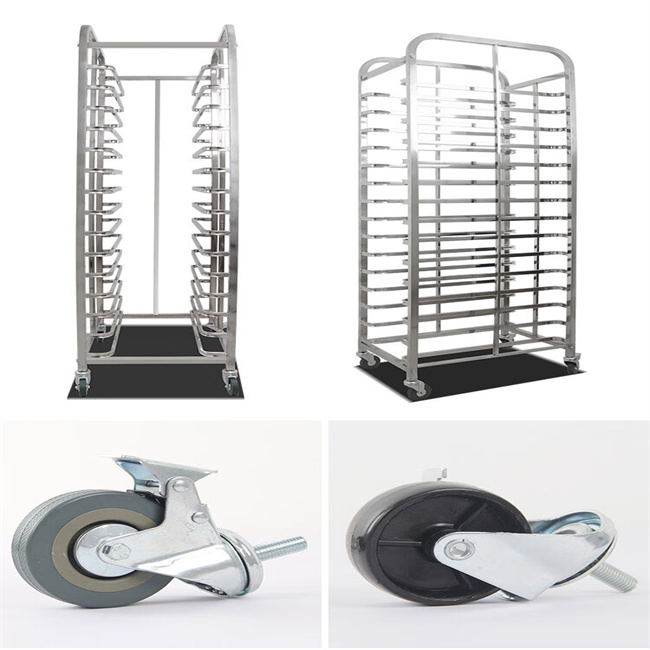
Industrial stainless steel trolleys are not simply metal frames on casters. Their design incorporates several engineering features that enhance performance in rigorous applications. The frame is typically constructed from square or round stainless steel tubes, welded and polished to eliminate crevices that harbor bacteria or debris. Reinforced frame structures improve load stability during repeated transportation and industrial handling, preventing deformation even under uneven loads. The use of 304 stainless steel or 316 stainless steel ensures resistance to moisture, acids, and alkaline cleaning agents. Compared to ordinary painted metal trolleys, stainless steel models offer superior resistance to chipping and rust, which is critical in wash-down environments. Additionally, options such as perforated shelves, mesh sides, and removable trays enhance versatility. The casters are often made of non-marking rubber or polyurethane, with sealed bearings to withstand frequent cleaning. These features collectively reduce maintenance frequency and extend service life, directly benefiting procurement budgets.
Application Scenarios: Where Stainless Steel Trolleys Deliver Operational Value
Stainless steel trolleys are deployed across a wide spectrum of industries, each with unique requirements. In food processing, they transport raw ingredients, finished products, and waste while meeting HACCP and FDA hygiene standards. Bakeries use them to move dough trays, bread racks, and cooling pans, where resistance to flour dust and humidity is essential. Industrial manufacturing facilities rely on heavy-duty trolleys to move components, tools, and assemblies between workstations. In cleaning and drying operations, trolleys with mesh shelves allow airflow and drainage, preventing water accumulation. For storage and transportation, stackable or nesting trolleys optimize floor space and streamline logistics. In pharmaceutical cleanrooms, electropolished stainless steel trolleys minimize particle emission. Each scenario demands specific configurations: for example, a bakery may need a trolley with high-temperature casters, while a chemical plant requires 316-grade steel for acid resistance. Understanding these application nuances helps buyers specify the right trolley for their process.
Material Specifications: Choosing Between 304, 316, 201 Stainless Steel, and Aluminum
The material grade is a primary cost and performance driver. 304 stainless steel is the most common choice, offering excellent corrosion resistance and formability for general industrial and food applications. 316 stainless steel contains molybdenum, providing superior resistance to chlorides and acids, making it suitable for pharmaceutical, marine, and chemical environments. 201 stainless steel is a lower-cost alternative with lower nickel content; it offers moderate corrosion resistance but may be prone to rust in humid or wash-down conditions, so it is best for dry storage or light-duty use. Aluminum trolleys are lightweight and resistant to oxidation, but they are softer and less durable under heavy loads or frequent impact. For procurement, the decision hinges on the operating environment: if the trolley will be exposed to moisture, cleaning chemicals, or strict hygiene protocols, 304 or 316 is recommended. If portability and cost are prioritized over extreme durability, aluminum may suffice. Always request material certificates to verify grade compliance.
Specification Parameters: Key Data Points for Procurement
When specifying a stainless steel trolley, buyers should evaluate several technical parameters. Dimensions (length, width, height) must match aisle widths, doorways, and storage racks. Thickness of tubes and shelves affects load capacity; typical ranges are 1.0mm to 2.0mm for tubes and 0.8mm to 1.5mm for shelves. Capacity is usually expressed in kilograms or pounds per shelf or overall; common industrial trolleys handle 200kg to 500kg. Number of shelves (2, 3, 4, or custom) determines storage volume. Load capacity per shelf should be clearly stated, with a safety factor. Hole diameter and mesh size matter for airflow, drainage, and small-item containment. Tray compatibility ensures that standard trays or bins fit securely. Surface finish options include brushed, polished, or electropolished, each affecting cleanability and appearance. Casters should be specified by diameter, material, and braking options. Providing these details to a manufacturer ensures a trolley that integrates seamlessly into operations.
Customization Services: OEM/ODM Capabilities for Specific Requirements
Every industrial process has unique demands. A capable manufacturer offers OEM and ODM services to tailor trolleys accordingly. Custom sizes accommodate narrow aisles or oversized loads. Custom designs may include specialized shelves, hooks, drawers, or partitions. Logo printing or branding helps with asset tracking and corporate identity. Custom packing ensures safe transport and easy handling upon delivery. Special requirements such as anti-static casters, high-temperature wheels, or stainless steel grades for specific chemicals can be addressed. Working with a factory that has in-house engineering and prototyping capabilities reduces lead times and ensures design intent is met. For custom requirements, please contact our team to discuss your application.
Procurement Guide: How to Select the Right Trolley and Supplier
Selecting a stainless steel trolley involves balancing technical needs with supplier reliability. Start by defining the load, environment, and hygiene level. Then, choose the material grade accordingly. Next, confirm dimensions, shelf count, and caster specifications. Request detailed drawings and load test reports. To assess supplier capability, ask for: production capacity, quality certifications (ISO 9001, NSF, etc.), material traceability, and references from similar industries. Evaluate their engineering support and willingness to customize. A reliable supplier will provide clear lead times, warranty terms, and after-sales service. Avoid suppliers who cannot provide material certificates or who offer unusually low prices that may indicate substandard grades. Remember that the lowest initial cost may lead to higher maintenance and replacement costs.
Frequently Asked Questions (FAQ)
Q1: What is the difference between 304 and 316 stainless steel for trolleys?
A1: 304 offers good corrosion resistance for most food and industrial environments. 316 contains molybdenum, providing enhanced resistance to chlorides and acids, making it suitable for pharmaceutical, chemical, and marine applications.
Q2: Can stainless steel trolleys be used in freezers or cold storage?
A2: Yes, but specify casters with cold-resistant materials (e.g., nylon or polyurethane) and ensure the stainless steel grade is suitable for low temperatures to prevent brittleness.
Q3: How do I determine the right load capacity for my trolley?
A3: Calculate the maximum total weight of items to be carried plus a safety margin (typically 25-30%). Check the manufacturer's load rating per shelf and overall.
Q4: Are replacement parts available?
A4: Reputable manufacturers supply replacement casters, shelves, and handles. Confirm availability and lead times before purchase.
Q5: What surface finish is best for hygiene-critical areas?
A5: Electropolished or polished finishes are easiest to clean and minimize bacterial adhesion. Brushed finishes are acceptable but may require more thorough cleaning.
Q6: Can I customize the trolley with my company logo?
A6: Yes, many manufacturers offer logo printing or engraving on the frame or shelves. Discuss options and minimum order quantities.
Image ALT Text Suggestions
- Image of 3-shelf stainless steel trolley in food processing plant: "304 stainless steel trolley with mesh shelves for food processing hygiene"
- Close-up of caster and frame weld: "Reinforced frame and sealed caster for industrial stainless steel trolley"
- Custom trolley with logo and special shelves: "Customized stainless steel trolley with OEM logo and tray compatibility"
SEO Metadata
SEO Title: Stainless Steel Trolley Advantages for Industrial Buyers
Meta Description: Discover key stainless steel trolley advantages for B2B procurement. Learn about 304 vs 316, customization, and supplier selection. Contact us for custom solutions.
SEO Keywords: stainless steel trolley advantages, industrial trolley procurement, 304 stainless steel trolley, 316 stainless steel trolley, custom stainless steel trolley, stainless steel trolley manufacturer, food grade trolley, heavy duty stainless steel cart, stainless steel trolley supplier, OEM stainless steel trolley

