





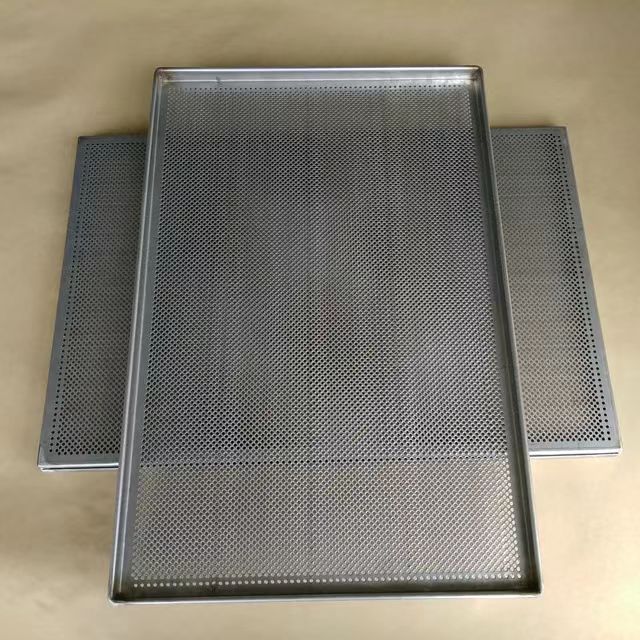
Stainless Steel vs Aluminum Baking Tray: A Neutral, Practical Comparison for Commercial and Home Bakers
Introduction: Two Popular Materials, Different Behaviors
Stainless steel baking trays and aluminum baking pans dominate both home kitchens and commercial bakeries. While stainless steel is prized for its durability and corrosion resistance, aluminum is favored for its excellent heat conductivity and lightweight nature. However, these generalizations don't tell the whole story. Different manufacturing processes, alloy grades, and coatings can significantly alter their performance. In this article, we'll compare them across key factors: weight, heat response, corrosion resistance, warping resistance, cleaning, lifespan, coating needs, and commercial kitchen applications. We'll also include a comparison table, usage scenarios, purchasing advice, and FAQs.
Weight and Handling
Weight is a major practical difference. Aluminum baking pans are notably lighter than stainless steel trays of the same size. This makes aluminum easier to lift, carry, and handle, especially when loaded with heavy doughs or pastries. In a busy bakery, reducing wrist strain is a real benefit.
On the other hand, a stainless steel baking tray is heavier, which can be advantageous when you need stability, such as when transporting large items or using it as a base for cutting. The added weight also gives a premium feel. However, for high-volume production where trays are frequently moved, aluminum's lighter weight is often preferred.
Heat Conductivity and Response
Aluminum excels in thermal conductivity. It heats up quickly and distributes heat evenly across the surface. This results in more uniform browning of cookies, pastries, and bread crusts. Aluminum's rapid heat response also allows for faster preheating and better control when adjusting oven temperatures.
Stainless steel, in contrast, is a poor conductor of heat. It often has hot spots unless the tray is constructed with an aluminum or copper core. Many commercial stainless steel sheet pans are made with a bonding layer to improve heat distribution, but this adds to the cost. For baking tasks that require gentle, steady heat, stainless steel can be less forgiving, leading to uneven browning.
Corrosion Resistance
Stainless steel is naturally corrosion-resistant. It does not react with acidic ingredients like tomatoes, vinegar, or citrus, making it ideal for marinades and acidic baked goods. Aluminum, however, is reactive. It can discolor and may impart a metallic taste when in contact with acidic foods. Over time, aluminum may develop a dull, oxidized layer, but this is not harmful and can be cleaned off.
Warping Resistance
Warping is a common issue with thin aluminum pans. Sudden temperature changes, such as placing a hot tray under cold water, can cause aluminum to warp. Stainless steel, being stronger and more rigid, is less prone to warping, especially when constructed with proper reinforcement. That said, high-quality aluminum pans with thicker gauges can also resist warping effectively.
Cleaning and Maintenance
Stainless steel is easier to clean. Its non-porous surface resists staining and is generally dishwasher-safe. Aluminum requires more care; it can be scratched and stained, and aggressive detergents may cause oxidation. Hand washing is often recommended for aluminum to prolong its appearance. Both benefit from non-stick coatings, but these require in-between care.
Lifespan and Durability
Stainless steel trays typically last longer. They resist corrosion and physical damage, maintaining their shape and functionality for years, even in hard-use commercial environments. Aluminum trays, if not abused, can also last a long time, but they are more susceptible to dents, scratches, and corrosion, which may shorten their lifespan.
Coating Requirements
Aluminum pans often come with a non-stick coating to prevent sticking and reduce oil usage. However, these coatings can wear off over time. Stainless steel is rarely non-stick; it usually requires greasing or parchment paper. Some stainless steel trays are coated with a ceramic or silicone layer for non-stick properties, but these are less common.
Commercial Kitchen Applications
In commercial kitchens, both materials have their niches. Aluminum baking pans are popular for high-volume bakeries due to their thermal efficiency and lightweight. They are often used as commercial sheet pans for baking cookies, roasting vegetables, and preparing large batches. Stainless steel baking trays are chosen for tasks that require durability, such as proofing, storage, or when used with acidic foods. A bakery tray might be made of either material, but aluminum is preferred for its heat conductivity, while stainless steel is chosen for its longevity and easy sanitation.
Comparison Table
| Factor | Aluminum Baking Pan | Stainless Steel Baking Tray |
|-----------------------|---------------------------|-----------------------------|
| Weight | Light | Heavier |
| Heat Conductivity | Excellent | Poor (unless bonded) |
| Corrosion Resistance | Reactive with acids | Non-reactive |
| Warping Resistance | Prone to warping when thin| Generally warp-resistant |
| Cleaning | Requires gentle care | Easy, dishwasher-safe |
| Lifespan | Moderate | Long |
| Coating | Often non-stick | Typically uncoated |
| Commercial Use | High-volume baking | Durability-focused tasks |
Usage Scenarios
Choose aluminum if: you bake frequently, need quick and even heating, and prefer a lightweight tray. It's ideal for cookies, pastries, and roasted vegetables.
Choose stainless steel if: you value durability, use acidic ingredients, and want a low-maintenance tray that doesn't react with food. It's perfect for proofing, storing, and long-term use.
Purchasing Advice
When buying a baking tray, consider the thickness. For aluminum, opt for at least 1.0mm thickness to minimize warping. For stainless steel, look for trays with an aluminum core for better heat distribution. Also, check the edge construction; reinforced rims add strength. For commercial use, buy from reputable brands that offer warranties and replacement guarantee.
Frequently Asked Questions
Which is better for even baking?
Aluminum provides more even heat distribution and is better for even baking.
Do acidic foods react with stainless steel?
No, stainless steel is non-reactive and safe for acidic ingredients.
Can I use metal utensils on aluminum pans?
It's not recommended if the pan has a non-stick coating; for uncoated aluminum, it may scratch the surface.
How do I prevent aluminum pans from warping?
Allow the pan to cool before washing, and avoid sudden temperature changes.
Are stainless steel baking trays dishwasher safe?
Yes, most stainless steel trays are dishwasher safe.
Which material is more cost-effective in the long run?
Stainless steel, due to its longer lifespan and lower maintenance.
Meta Information
Meta Title: Stainless Steel vs Aluminum Baking Tray – Which Should You Choose?
Meta Description: Compare stainless steel vs aluminum baking trays on weight, heat conductivity, corrosion resistance, and more. Learn which is best for your bakery with practical tips and FAQ.
Keyword: stainless steel vs aluminum baking tray; aluminum baking pan; stainless steel baking tray; commercial sheet pan; bakery tray