





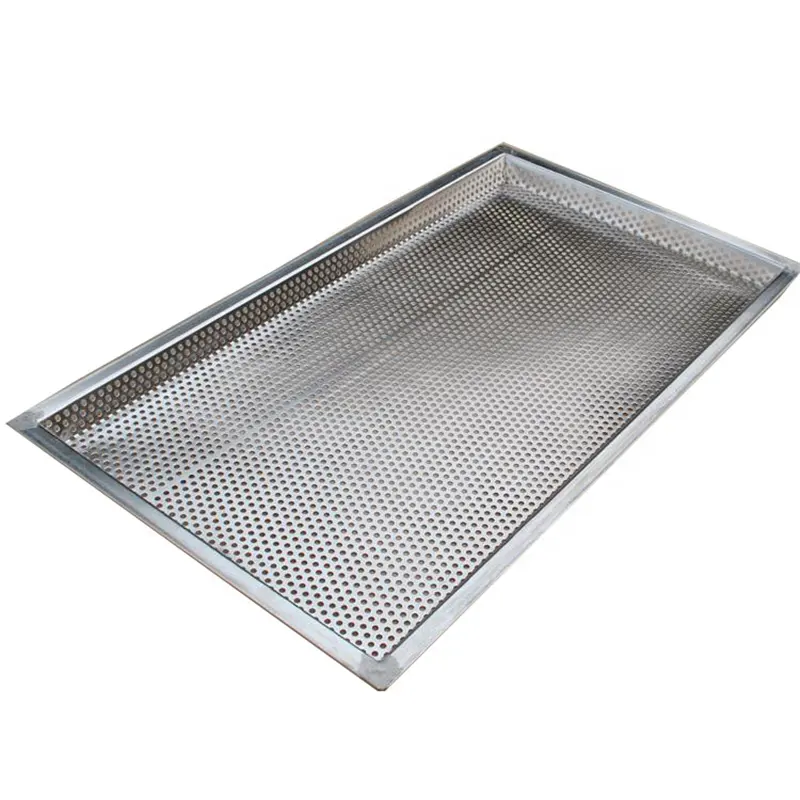
SUS 304 vs SUS 316 Food Trays: A Technical Guide to Material Selection
Introduction to SUS 304 and SUS 316 Stainless Steel
Stainless steel food trays are essential in commercial kitchens, food processing plants, and industrial catering. The two most common grades are SUS 304 and SUS 316. Both are austenitic stainless steels, but they differ in chemical composition and performance. SUS 304 contains 18% chromium and 8% nickel, while SUS 316 adds 2-3% molybdenum, which significantly enhances its resistance to chlorides and acids. This article compares these grades for food tray applications, helping you make an informed choice.
Composition and Key Differences
The primary difference lies in the addition of molybdenum in SUS 316. This element improves pitting and crevice corrosion resistance, especially in chloride-rich environments. SUS 304, while still highly corrosion-resistant, is more susceptible to pitting in saline or acidic conditions. The composition also affects mechanical properties: SUS 316 tends to have slightly higher strength at elevated temperatures. For food contact, both grades are generally safe, but the choice depends on the specific environment.
Corrosion Resistance in Different Environments
SUS 304 is suitable for most food processing environments, including exposure to weak acids and alkalis. However, in coastal areas or where deicing salts are used, chloride-induced corrosion can occur. SUS 316 excels in these conditions due to its molybdenum content. For example, a stainless steel food tray used in a seafood processing plant with high salt content would benefit from SUS 316. Similarly, acidic foods like tomato sauce or vinegar can cause pitting on SUS 304 over time, whereas SUS 316 offers better durability.
Salt and Acidic Food Scenarios
When trays come into contact with salt (sodium chloride) and acidic foods, the risk of corrosion increases. Industrial stainless steel trays used for marinating meats or storing pickled products should be made of SUS 316 to withstand the combined attack of salt and acid. In contrast, for bakery or general purpose use, SUS 304 is often sufficient and more cost-effective. The temperature also plays a role: at higher temperatures, corrosion rates accelerate, making SUS 316 a safer choice for hot acidic or salty foods.
Cost and Processing Considerations
SUS 316 is generally 30-50% more expensive than SUS 304 due to its higher nickel and molybdenum content. The cost difference impacts the price of the trays. Processing also differs: SUS 316 is slightly harder, making it more challenging to form and machine, which can increase fabrication costs. However, for critical applications where corrosion resistance is paramount, the higher initial investment may be justified by longer service life and reduced maintenance.
Material Selection Table
Below is a comparison table of typical properties and applications for SUS 304 and SUS 316 food trays. Use this as a general reference; always test under actual conditions.
| Property | SUS 304 | SUS 316 |
|---|---|---|
| Chromium (Cr) | 18% | 16-18% |
| Nickel (Ni) | 8-10.5% | 10-14% |
| Molybdenum (Mo) | None | 2-3% |
| Corrosion resistance | Good | Excellent in chloride environments |
| Cost | Lower | Higher |
| Typical use | General food processing, bakery | Seafood, pickling, coastal environments |
Purchasing Questions to Consider
When sourcing food-grade stainless steel trays, ask these questions: 1) What is the specific food contact medium and its concentration? 2) What temperature extremes will the tray face? 3) Which cleaning agents will be used, and are they chloride-based? 4) Are there local regulations or industry standards (e.g., FDA, EU) that require specific grades? 5) What is the expected lifespan and maintenance budget? These factors should guide your material choice.
Common Questions (FAQ)
Yes, SUS 304 is widely used as food-grade stainless steel. It meets most food contact requirements and is cost-effective for many applications.
Choose SUS 316 when the tray will be exposed to high chloride levels (e.g., salt, brine) or strong acids. It is also preferred for marine environments or where cleaning agents contain chlorides.
No, both grades are inert and do not impart taste. The key is to maintain a clean surface to avoid bacterial growth.
They can be used for short-term contact, but prolonged exposure to acids like vinegar or citrus may cause corrosion. For frequent use, SUS 316 is recommended.Q: Is SUS 304 considered food-grade stainless steel?Q: When should I choose SUS 316 for food trays?Q: Does SUS 316 affect food taste?Q: Can SUS 304 trays be used for acidic foods?