





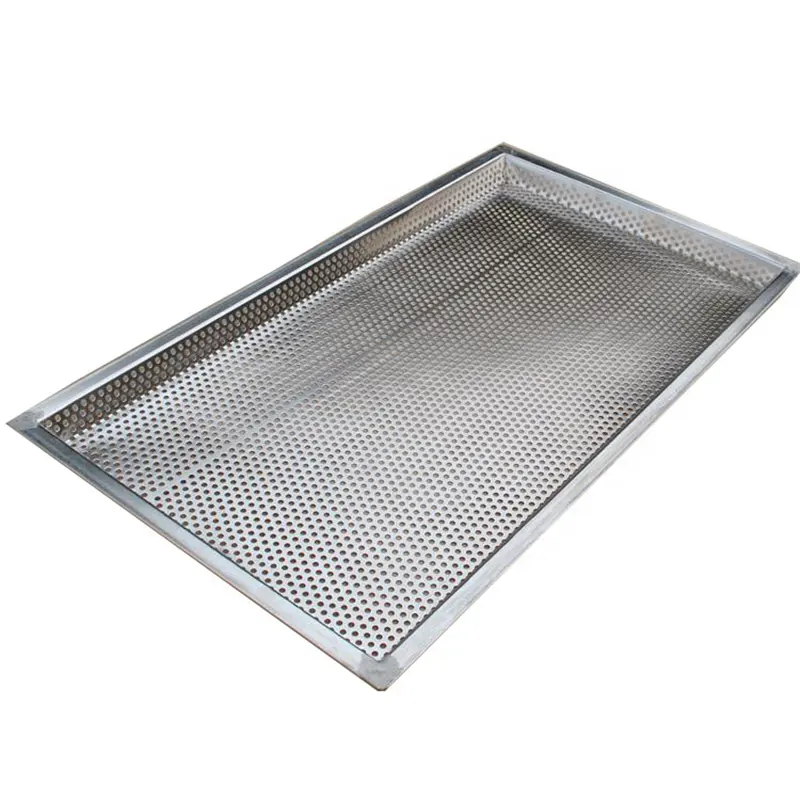
The Complete Guide to Stainless Steel Tray Surface Finishes: 2B, Brushed, Mechanical Polish, and Electropolish
Understanding Stainless Steel Tray Finishes
The surface finish of a stainless steel tray is not just about looks—it affects cleanliness, scratch visibility, weld treatment, and overall cost. Common finishes include 2B, brushed, mechanical polished, and electropolished. Each has unique characteristics suited for different uses, from industrial tray polishing to food tray surfaces. Below, we break down each finish to help you choose the right one for your needs.
2B Finish: The Versatile Standard
The 2B finish is a cold-rolled, heat-treated, and pickled surface with a smooth, moderately reflective appearance. It is the most common finish for stainless steel sheets and trays. 2B finish offers a good balance of cost and performance. Visually, it has a uniform, dull-silver look that hides minor scratches well. It is easy to clean and resists bacterial growth, making it suitable for many food contact surfaces. However, its relatively smooth surface can show fingerprints more than textured finishes. For stainless steel baking tray finish, 2B is often used because it is economical and performs well under moderate wear. But always verify food safety compliance with specific material certifications.
Brushed Finish: Scratch-Resistant and Matte
A brushed finish is created by mechanically abrading the surface with fine abrasives, leaving a linear, matte texture. This finish is popular for industrial tray polishing because it hides scratches and fingerprints effectively. The brushed texture reduces glare and gives a modern, professional look. Cleaning is straightforward, but the grooves can trap dirt if not properly maintained. For food tray surfaces, brushed finishes are often chosen for their durability and low maintenance. However, the brush lines can become more pronounced over time if scratched, but they are less noticeable compared to glossy finishes. Cost is slightly higher than 2B due to additional processing, but still affordable for most applications.
Mechanical Polish: From Mirror to Satin
Mechanical polishing involves progressively finer abrasive belts or wheels to achieve a desired gloss level, ranging from satin to mirror-like. This finish enhances aesthetics, making it ideal for showpieces or high-end kitchens. Mechanical polish can achieve a mirror finish that is highly reflective and easy to clean—smooth surfaces don’t harbor bacteria. However, glossy surfaces show scratches and fingerprints more easily, requiring careful handling. For food tray surface applications, a satin polish (e.g., #4 finish) is common, offering a balance between appearance and scratch resistance. Weld seams are more visible on polished surfaces unless carefully blended. The cost increases with the level of gloss due to added labor and time.
Electropolish: Superior Hygiene and Corrosion Resistance
Electropolishing is an electrochemical process that removes a thin layer of the surface, leaving a smooth, passive, and highly corrosion-resistant finish. This is the premium choice for demanding applications like pharmaceutical, food processing, and semiconductor industries. Electropolish results in a bright, clean surface that is exceptionally easy to clean and sanitize. It reduces micro-roughness, minimizing bacterial adhesion. Scratches are less visible because the surface is very smooth, but it can still show fingerprints. Weld seams become nearly invisible after electropolishing, making it ideal for hygienic designs. Cost is the highest among the finishes due to the process and control required. For food trays that require rigorous cleaning and long-term durability, electropolish is a worthwhile investment, but always confirm compliance with food contact regulations through documentation.
Comparing Finishes: Appearance, Cleaning, and Cost
To help you decide, here’s a quick comparison table of the four finishes:
| Finish | Appearance | Cleaning Ease | Scratch Visibility | Weld Treatment | Relative Cost |
|---|---|---|---|---|---|
| 2B | Dull, uniform, slightly reflective | Good | Low | Visible; need grinding/polishing | $ |
| Brushed | Matte, linear grain | Moderate | Low | Blends well if brushed after welding | $$ |
| Mechanical Polish | Satin to mirror | Good to excellent | High (especially mirror) | Visible on mirror; requires skilled finishing | $$$ |
| Electropolish | Bright, smooth, non-reflective gloss | Excellent | Low | Becomes invisible | $$$$ |
Choosing the Right Finish for Your Tray
When selecting a finish for your stainless steel baking tray finish, consider your specific application. For heavy industrial use, a brushed finish resists scratches and is cost-effective. For food trays that need frequent sanitization, electropolish offers the best hygiene. Mechanical polish provides aesthetics for consumer-facing products. Always weigh the initial cost against long-term maintenance and replacement. Remember, the finish is just one factor; the material grade (e.g., 304 or 316) and its compliance with food safety standards are equally important.
Food Contact Compliance: Essential Considerations
It’s crucial to understand that surface finish alone does not determine food safety. The stainless steel grade (e.g., 304, 316) and its specific alloy composition must meet regulatory standards like FDA or EU regulations. Always request material certificates and compliance documents from suppliers. For example, 304 stainless steel is commonly used for food contact, but 316 is better for highly corrosive environments. Even with the right finish, if the base material is not food-grade, the tray is not safe for food contact. Therefore, always verify on a case-by-case basis.
Frequently Asked Questions
Q: Which finish is best for a baking tray?
A: For baking trays, a 2B or brushed finish is often sufficient. 2B is cost-effective and easy to clean, while brushed hides scratches better. However, ensure the material is food-grade, such as 304 stainless steel.
Q: Does electropolishing make a tray more sanitary?
A: Yes, electropolishing removes surface imperfections, making it less likely for bacteria to adhere. It also enhances corrosion resistance, which is beneficial for food safety.
Q: How do I clean a brushed finish tray?
A: Clean with mild detergent and warm water, using a soft cloth or sponge. Scrubbing along the brush lines is recommended to avoid dulling the finish. Avoid harsh abrasives that can ruin the texture.
Q: Is a mirror finish practical for industrial trays?
A: Mirror finishes are attractive but show scratches easily and may be slippery when wet. For industrial settings, a satin or brushed finish is more practical due to durability and lower maintenance.
Q: Can I repair scratches on a stainless steel tray?
A: Minor scratches can be buffed out with a fine abrasive pad, but this may alter the finish. For brushed finishes, you can re-brush the area in the same direction. For electropolished surfaces, repairs are more difficult and may require professional refinishing.