





The Ultimate Guide to Bread Tray Bakery Selection: Types, Materials, and Buying Tips
Introduction to Bread Tray Bakery Selection
Selecting the right bread tray bakery equipment is essential for bread quality and production efficiency. This comprehensive guide covers the main types of bread baking trays, their structures, suitable bread types, and key selection factors such as size, perforation, coating, and cleaning efficiency.
Types of Bread Trays and Their Applications
There are several types of bakery tray options for different bread products:
Baguette Trays: These trays have a wave-like structure with multiple grooves that separate baguettes, ensuring even baking and shape retention. They are ideal for French bread, baguettes, and long rolls.
Flat Trays: Simple flat sheets without perforations, suitable for cookies, pastries, and some bread types that need a flat base.
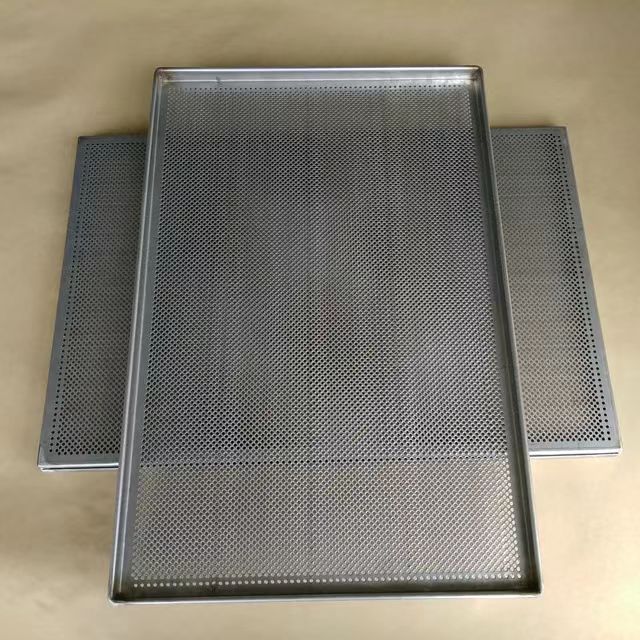
Perforated Trays: These bread trays for bakery trolley have holes that improve air circulation, resulting in crisper crusts. They are commonly used for pizza, bread rolls, and patisserie items.
Corrugated Trays: With a wavy surface, they provide extra rigidity and prevent sticking. Best for danish pastries, croissants, and certain bread loaves.
Mould Trays: Specifically designed to shape bread during proofing and baking. They are used for sandwich bread, pan loafs, and brioche.
Bread Trays for Oven Trolley (Rack Trays): These are designed to fit into mobile racks for high-volume baking. They allow for efficient loading, baking, and cooling of multiple trays at once.
Key Selection Factors
When selecting a commercial baking tray, consider the following factors:
Size: 600×400 mm is the industry standard for most commercial ovens and racks, offering a balance between capacity and manageability.
Perforation Rate and Hole Diameter: Higher perforation rates (e.g., 30-50%) increase air circulation for crispier products. Common hole diameters range from 1 mm to 10 mm, with 2-3 mm being typical for bread.
Coated vs. Uncoated: Coated trays (e.g., silicone, PTFE) offer non-stick properties and easier cleaning, but uncoated aluminum or steel trays are more durable and cost-effective for some bakeries.
Material: Stainless Steel vs. Aluminum: Aluminum offers fast, even heating and lightweight handling, while stainless steel (201, 304, 316) provides strength and corrosion resistance. For commercial bakeries, aluminum is widely used for its heat conductivity, while stainless steel is preferred for high-moisture or acidic foods.
Cleaning and Turnaround Efficiency: Trays with rounded corners, smooth finishes, and proper coatings are easier to clean, reducing downtime. Perforated trays with debris-trapping holes may require more attention.
Comparison Table
| Type | Structure | Best For | Material Example |
|---|---|---|---|
| Baguette Tray | Grooved | Baguettes, long rolls | Aluminum |
| Flat Tray | Solid | Cookies, pastries | Aluminum or stainless steel |
| Perforated Tray | Holes | Pizza, rolls, crusty bread | Aluminum, perforated |
| Corrugated Tray | Wavy | Croissants, danish | Aluminum |
| Mould Tray | Shaped | Sandwich bread, brioche | Carbon steel (coated) |
| Rack Tray | Flat or perforated | High-volume baking | Aluminum or steel |
Procurement Checklist
- Select tray type based on bread types you produce.
- Ensure size fits your oven and trolley: 600×400 mm is standard.
- Decide on perforation rate and hole diameter (e.g., 2-3 mm for bread).
- Choose material: aluminum for light weight and heat; stainless steel for durability.
- Consider coating for non-stick (if needed).
- Check stackability and rib design for stability and cleaning.
- Request samples before bulk order.
- Verify tray load capacity and compatibility with rack systems.
Frequently Asked Questions
Q: What is the standard size for a commercial bread tray?A: The industry standard is 600×400 mm, which fits most ovens and trolleys designed for bakery use.
Q: Should I choose perforated or solid trays for bread?A: Perforated trays provide better air circulation, resulting in a crispier crust. Solid trays are better for wet doughs or when you need a softer bottom.
Q: Is aluminum or stainless steel better for bread baking trays?A: Aluminum heats quickly and evenly, and is lighter, making it popular for most bakery applications. Stainless steel is more durable and corrosion-resistant, ideal for harsh environments or acidic products.
Q: What does 'perforation rate' mean?A: It is the percentage of the tray surface that consists of holes. Higher rates increase air flow but may reduce structural strength.
Q: Can I use a single tray type for all my bakery items?A: It's possible but not optimal. Different products benefit from different tray designs. For best results, use dedicated trays for each product group.
Inquire Now for Custom Solutions
Looking for high-quality bread tray bakery options? Contact us today for competitive pricing on bread baking trays, bakery tray sets, and bread trays for bakery trolley. We offer custom sizes and OEM services. Request a quote now!