





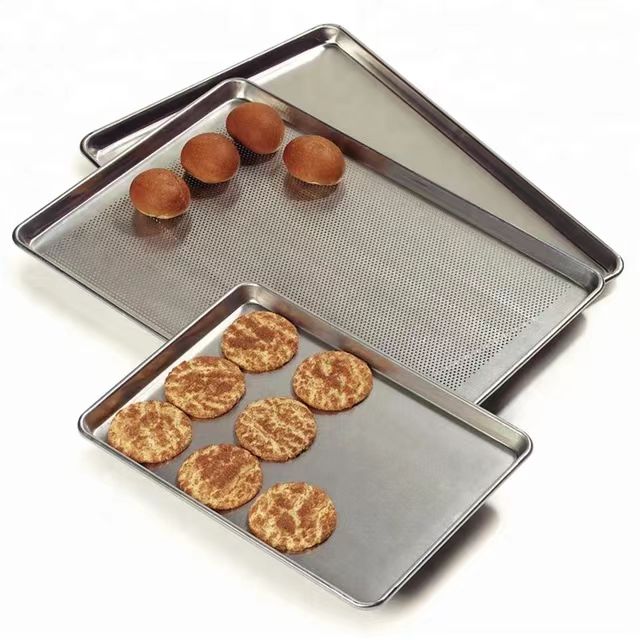
The Ultimate Guide to Stainless Steel Trays: Benefits, Uses, and Maintenance Tips
Introduction to Stainless Steel Trays
Stainless steel trays are versatile, durable, and hygienic containers used in various settings, from home kitchens to commercial food service and medical facilities. Their popularity stems from the material's inherent properties: corrosion resistance, strength, and ease of cleaning. Unlike plastic or aluminum trays, stainless steel does not leach chemicals or react with acidic foods, making it a safe choice for food storage and preparation. In this comprehensive guide, we will explore the many benefits of stainless steel trays, their common uses, and how to maintain them for long-lasting performance.
Key Benefits of Stainless Steel Trays
Stainless steel trays offer numerous advantages over trays made from other materials. Here are the most significant benefits:
Durability and Longevity: Stainless steel is exceptionally strong and resistant to dents, scratches, and corrosion. With proper care, a high-quality stainless steel tray can last for decades, making it a cost-effective investment. Unlike plastic trays that may crack or warp over time, stainless steel maintains its shape and integrity even under heavy use.
Hygienic and Easy to Clean: The non-porous surface of stainless steel does not harbor bacteria, mold, or other pathogens. This makes stainless steel trays an ideal choice for food preparation, medical environments, and laboratories. They can be washed with hot water and mild detergent, and many are dishwasher safe. Additionally, stainless steel can withstand high temperatures, allowing for sterilization in autoclaves or ovens.
Heat and Cold Resistance: Stainless steel trays can be used in a wide temperature range, from freezing to baking. They are safe for use in ovens up to 500°F (260°C) or more, depending on the grade. This versatility eliminates the need for multiple trays for different tasks. However, always check the manufacturer's specifications for temperature limits.
Eco-Friendly and Recyclable: Stainless steel is 100% recyclable and made from a significant proportion of recycled material. Choosing stainless steel trays over disposable plastic options reduces waste and environmental impact. Moreover, their long life span means fewer replacements, further conserving resources.
Common Uses for Stainless Steel Trays
Stainless steel trays are incredibly versatile and find applications in numerous fields:
Kitchen and Food Service: In home kitchens, stainless steel trays are used for baking cookies, roasting vegetables, serving meals, and organizing ingredients. In commercial kitchens, they are indispensable for sheet pans, hotel pans, and serving platters. Their ability to withstand heavy use and frequent cleaning makes them a favorite among chefs.
Medical and Laboratory Settings: Hospitals and clinics use stainless steel trays for surgical instruments, sterilization, and patient care. Their non-porous surface and easy sterilization make them suitable for procedures requiring high hygiene standards. In laboratories, they are used to hold samples, tools, and chemicals due to their resistance to corrosion.
Industrial and Manufacturing: Factories and workshops use stainless steel trays for parts handling, assembly lines, and material transport. Their strength and durability ensure they can handle heavy loads and harsh environments without degrading.
Home Organization and Decor: Beyond functional uses, stainless steel trays serve as attractive organizers for countertops, bathrooms, and entryways. They can hold keys, toiletries, or decorative items, adding a sleek, modern touch to interior decor.
How to Choose the Right Stainless Steel Tray
Selecting the perfect stainless steel tray depends on your specific needs. Consider the following factors:
Material Grade: The most common grades are 304 (18/8) and 430. Grade 304 offers superior corrosion resistance and is ideal for food contact. Grade 430 is less expensive but may rust under harsh conditions. For commercial or medical use, opt for 304 or higher.
Size and Depth: Measure your oven or storage space before purchasing. Trays come in various sizes, from small 8x8-inch pans to full-sheet pans. Deeper trays are suitable for roasting or marinating, while shallow ones work well for baking or serving.
Edge Design: Rolled edges provide added strength and prevent warping, while flat edges are easier to slide in and out of racks. Some trays have reinforced rims for heavy-duty use.
Additional Features: Look for trays with non-stick coatings if needed, though these require more delicate care. Some trays have handles for easy lifting or lids for storage. Always check if the tray is dishwasher safe and oven-safe to the desired temperature.
Maintenance Tips for Stainless Steel Trays
To keep your stainless steel trays looking new and performing well, follow these simple care instructions:
Cleaning: Wash trays with warm water and a mild detergent. Avoid abrasive scrubbers or chlorine-based cleaners, which can damage the surface. For stubborn stains, soak the tray in a solution of vinegar and water or use a specialized stainless steel cleaner. Always dry thoroughly to prevent water spots.
Avoiding Damage: Do not use metal utensils on coated trays, as they can scratch the non-stick surface. For uncoated stainless steel, metal utensils are fine but can leave marks that do not affect performance. Avoid stacking heavy objects on top of trays to prevent warping.
Storage: Store trays in a dry, ventilated area. If stacking, place a soft cloth or paper towel between them to prevent scratches. For long-term storage, ensure they are completely dry to avoid any potential staining.
Frequently Asked Questions
Yes, most stainless steel trays are oven-safe up to 500°F (260°C). However, always check the manufacturer's guidelines to be sure. Avoid sudden temperature changes, like placing a hot tray directly under cold water, as this can cause warping.
No, stainless steel is not microwave-safe. Metal can cause sparks and damage the appliance. Use glass or ceramic containers for microwave use.
Discoloration, often caused by heat or minerals in water, can be removed by applying a paste of baking soda and water. Let it sit for a few minutes, then scrub gently with a non-abrasive sponge. Rinse and dry thoroughly.
Both have merits, but stainless steel is more durable, non-reactive with acidic foods, and retains its appearance longer. Aluminum is lighter and conducts heat more evenly, but it can react with certain foods and may dent more easily.Are stainless steel trays safe for baking?Can I use stainless steel trays in the microwave?How do I remove discoloration from my stainless steel tray?Is stainless steel better than aluminum?