



What Does 'Non-Toxic' Really Mean for Stainless Steel Sheet Pans?
Understanding the 'Non-Toxic' Claim in Cookware
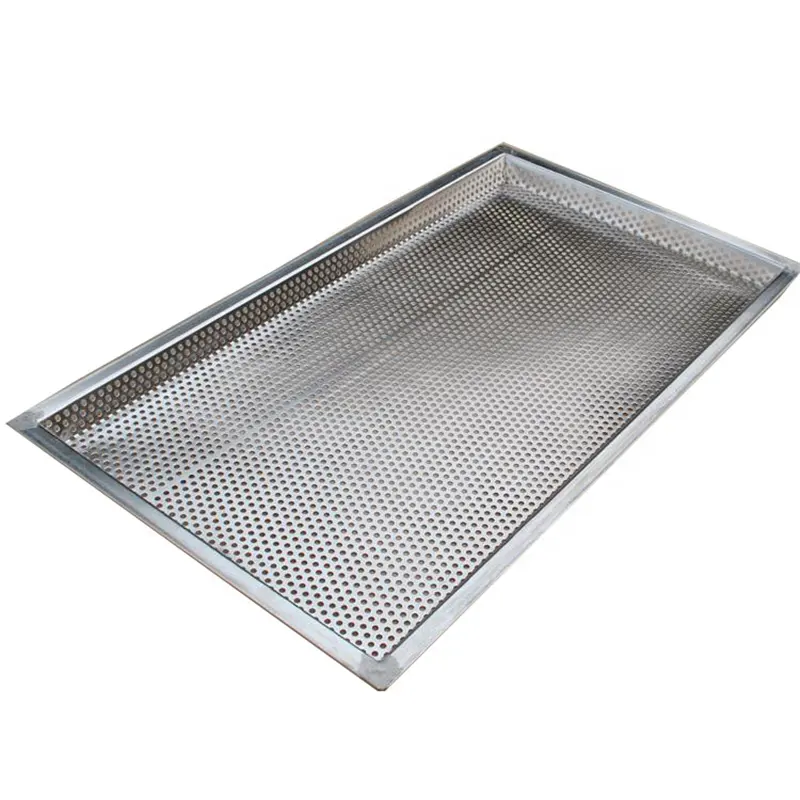
The phrase non-toxic has become a popular marketing term for cookware, including stainless steel sheet pans. However, there is no single regulatory definition. For consumers and commercial buyers, 'non-toxic' generally refers to the absence of harmful substances that could leach into food under normal cooking conditions. This includes ensuring that the uncoated stainless steel baking tray does not contain heavy metals like lead or cadmium in its alloy or surface treatments. It also means that the pan does not release toxic fumes when heated or degrade in a way that contaminates food. Buyers must look beyond the claim and demand evidence.
Material Composition: What Matters in Stainless Steel
The base material of a stainless steel sheet pan is critical. Most food-grade pans are made from SUS 304 (also known as 18/8 stainless steel) or SUS 316. SUS 304 baking trays contain 18% chromium and 8% nickel, offering good corrosion resistance and durability. For food contact, the material must comply with regulations like FDA (U.S.), EU 1935/2004, or GB 4806 (China). A food grade stainless steel tray should have a certificate that verifies its alloy composition and migration limits. Lower grades, like 201 stainless steel, may contain more manganese and less nickel, which can raise concerns about metal leaching in acidic or high-heat conditions. Buyers should request a Mill Test Certificate (MTC) to confirm the grade.
Surface Coatings: Uncoated Is Not Always Safer
Many assume an uncoated stainless steel baking tray is automatically non-toxic. While uncoated pans avoid potential issues with non-stick coatings like PTFE or PFOA, the stainless steel sheet pan itself may have a passivation layer or residual manufacturing oils. A truly non-toxic pan should be free from any synthetic coatings, but it must also be thoroughly cleaned before first use. Even without added coatings, the surface can accumulate residues from polishing compounds or industrial lubricants. A reputable supplier will provide a certificate of cleanliness or purity for their food grade stainless steel tray.
Cleaning Residues: Hidden Contaminants
Consumers sometimes confuse 'non-toxic' with 'easy to clean,' but cleaning agents themselves can leave residues. On a SUS 304 baking tray, harsh detergents or chlorine-based cleaners can corrode the surface over time, potentially releasing metal ions. For commercial kitchens, it's essential to use cleaning agents approved for food-contact surfaces and to rinse thoroughly. Buyers should ask for documentation on the tray's resistance to common cleaning chemicals, especially if it will be used with acidic foods or high-temperature cleaning cycles.
Wear and High-Heat Use: Long-Term Safety
A key concern for any stainless steel sheet pan is how it performs under repeated use. Over time, scratches or pitting can create crevices where bacteria or residues accumulate. High heat (above 500°F / 260°C) can cause oxidation, leading to discoloration or flaking of the surface layer. While stainless steel is generally stable, repeated thermal shock (e.g., from hot pan to cold water) can induce stress fractures. Buyers should verify the pan's heat tolerance and ensure it meets the ASTM or ISO standards for food contact and thermal performance. An uncoated stainless steel baking tray with a thicker gauge (e.g., 1.0 mm or more) is less prone to warping and surface degradation.
Documentation and Verification: What to Request
Never rely solely on the keyword 'non-toxic.' Request the following documents from your supplier for any food grade stainless steel tray:
- Mill Test Certificate (MTC) confirming the stainless steel grade (e.g., SUS 304, SUS 316).
- FDA or EU Declaration of Conformity for food-contact materials.
- Migration test results for heavy metals (lead, cadmium, chromium, nickel) under intended use conditions.
- Certificate of Surface Cleanliness (if applicable).
- Heat resistance and thermal shock test reports.
For bulk orders of SUS 304 baking trays, consider third-party testing by an accredited lab to verify compliance with your local regulations.
Frequently Asked Questions
Is any stainless steel sheet pan truly non-toxic?Stainless steel itself is inert under normal conditions, but 'non-toxic' depends on the specific alloy, surface condition, and usage. A pan made from SUS 304 baking tray that is thoroughly cleaned and free from coatings is generally considered safe. However, no material is 100% non-toxic in all scenarios; for example, nickel and chromium can migrate in trace amounts under acidic or high-heat conditions. Always verify with test reports.
What is the difference between SUS 304 and SUS 316 for food trays?SUS 304 (18/8) is the standard for most food grade stainless steel trays, offering good corrosion resistance and durability. SUS 316 contains molybdenum, providing superior resistance to chlorides and acids. For baking and general kitchen use, SUS 304 is usually sufficient. SUS 316 is recommended for highly acidic foods or harsh cleaning environments. Both are considered non-toxic when compliant with food-contact regulations.
Can I use a stainless steel sheet pan in the oven at high temperature?Yes, a quality stainless steel sheet pan can typically withstand oven temperatures up to 500°F (260°C) or higher. Check the manufacturer's specifications. Thicker pans (e.g., 1.5 mm) are less likely to warp. Avoid sudden temperature changes to prevent warping or surface damage.
How do I ensure my stainless steel tray is free from cleaning residues?Use mild detergents and rinse thoroughly with hot water. Avoid chlorine-based cleaners. For commercial use, follow the cleaning protocol recommended by the supplier and consider periodic testing for surface residues. An uncoated stainless steel baking tray can be baked empty at a low temperature (e.g., 300°F) for a few minutes to burn off any residual oils.
Meta Information
Meta Description: Learn what 'non-toxic' truly means for stainless steel sheet pans. Understand material compliance, coatings, cleaning residues, and high-heat safety. Discover why documentation is key for safe food-contact trays.
CTA: Ensure safety with verified stainless steel sheet pans. Request your free compliance checklist now.